
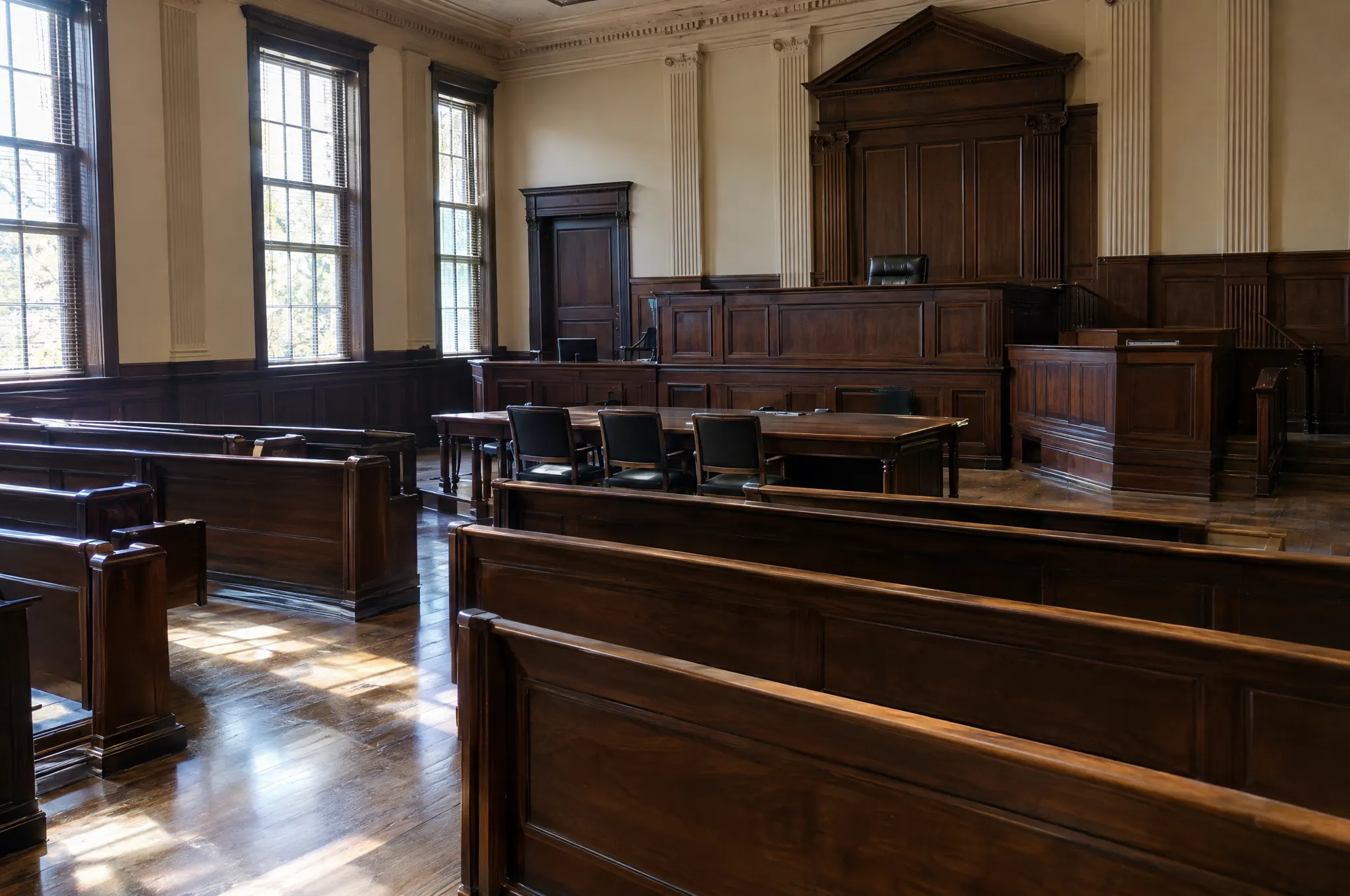
Denver felony defensewhen the stakes areyears, not days.
A felony charge changes the court, the stakes and the speed of everything. Will Frankfurt has defended Coloradans for 28 years and takes felony cases anywhere in the state.
01How Colorado classes felonies
Colorado sorts most felonies into six classes. Class 1 is the most serious and class 6 the least. Drug felonies sit on their own four-level scale. The class sets the presumptive sentencing range, and that range shapes every decision in the case: the bond, the plea offers, whether trial makes sense, and what an alternative sentence might look like.
Pick a felony class
See the presumptive prison range for each class. Courts can go outside these ranges in some cases, and many cases end without prison at all.
| Class | Presumptive range | Example |
|---|---|---|
| Class 1 | Life in prison | First degree murder |
| Class 2 | 8 to 24 years | Theft of $1 million or more |
| Class 3 | 4 to 12 years | Theft of $100,000 to under $1 million |
| Class 4 | 2 to 6 years | Fourth DUI; theft of $20,000 to under $100,000 |
| Class 5 | 1 to 3 years | Theft of $5,000 to under $20,000 |
| Class 6 | 1 to 1.5 years | Theft of $2,000 to under $5,000 |
Prison ranges are followed by a period of parole. Crimes of violence and some other aggravating factors can require longer sentences, up to twice the top of the range.
02How a felony case moves through court
Felonies are prosecuted in district court, and they follow a longer, more formal path than misdemeanors. Knowing the order of events helps you understand why some decisions can't wait.
- Arrest and first appearance.A judge sets bond and conditions of release, often within a day or two of the arrest.
- Charges are filed.The prosecution files a formal complaint, and the case lands in district court.
- Preliminary hearing.In many felony cases, the defense can make the prosecution show there's probable cause before the case goes further. It's also a chance to question witnesses early.
- Arraignment.You enter a plea, and the trial clock starts.
- Discovery and motions.The defense gets the evidence and asks the court to throw out anything gathered illegally.
- Resolution.Dismissal, a negotiated plea, or a jury trial, followed by sentencing if there's a conviction.
03Bond and release
Getting out and staying out comes first. Felony bonds can be high, and the conditions attached to them, such as no-contact orders, monitoring, drug and alcohol testing, and travel limits, shape your daily life for the whole case. A bond that's too high can sometimes be challenged at a bond reduction hearing, where the defense shows the court who you are: your job, your family, your ties to the community, and your history of showing up.
04Sentencing and alternatives to prison
The presumptive range is a starting point, not a script. Many felony cases end with a sentence that keeps the person out of prison, and the work to get there starts long before the sentencing hearing.
- Probation is available for many felonies, with conditions that can include treatment, classes and community service.
- Community corrections places people in a supervised residential program instead of prison, often with permission to work.
- Deferred judgment is available in some cases. If the conditions are completed, the case is dismissed.
- Work release lets people keep working while they serve jail time.
What moves a judge is mitigation: the full story of who you are, what happened, and what you've already done about it. Treatment started early, letters from employers and family, and a clear plan all count.
"I was facing a lot of time in prison and was terrified. ... He listened to me for 1 1/2 hours, treating me with dignity and respect. ... He helped to get me the time I needed for significant mitigation towards my sentencing."
"Will returned my frantic call on a Sunday, agreed to take my case which was outside of his normal jurisdiction and negotiated work release for me outside of the county I reside."
05What a felony conviction changes
The sentence is only part of it. A felony conviction follows people in ways that don't show up in the court order, and those consequences belong in every decision about how to resolve the case.
| Area | What can change |
|---|---|
| Firearms | State and federal law bar people with felony convictions from possessing guns. |
| Work | Background checks, professional licenses and certain jobs can be affected. |
| Housing | Landlords often screen for felony records. |
| Immigration | For people who aren't U.S. citizens, a conviction can affect status. Talk to an immigration lawyer too. |
That's why a reduction from a felony to a misdemeanor can matter as much as the sentence itself. The misdemeanor defense page explains what changes on the other side of that line.
06Felony DUI
Colorado counts prior DUI and DWAI convictions for life. With three or more of them, a new DUI or DWAI is charged as a class 4 felony. These cases combine everything about DUI defense, including the stop, the testing and the DMV, with felony sentencing stakes. Read more on the DUI defense page.
"Will has Represented me, in Driving and Criminal cases in Denver, Adams County, and Aurora, and in all my cases I was facing Jail Time. But with Will's Experience, and Aggressive approach, He helped in reducing my Sentences to doing very little Jail time."
FAQFelony questions people ask on the first call
What are the felony classes in Colorado?
Most felonies fall into classes 1 through 6, with class 1 the most serious. Drug felonies have their own scale, from level 1 to level 4. The class sets the presumptive sentencing range.
Does a felony charge always mean prison?
No. Many felony cases end in probation, community corrections, a deferred judgment where the law allows it, a reduced charge, or a dismissal. Some charges, like crimes of violence, carry mandatory prison.
Where are felony cases heard in Colorado?
Felony cases are prosecuted in district court. They often begin with an appearance in county court, then move to district court once charges are filed.
Is a fourth DUI a felony?
Yes. A DUI or DWAI is charged as a class 4 felony when the person has three or more prior DUI or DWAI convictions.
Does Frankfurt Law Office take every kind of felony case?
Will takes felony cases across Colorado with one exception: Frankfurt Law Office does not take sexual assault cases.

Facing a felony? Start the defense today.
The first weeks of a felony case set up everything after them. Call or text Will for a free, confidential consultation by phone or in person.
(720) 371-3101Meetings by appointment, in person or by phone